
We didn’t build a tool. We continued a tradition.
For over two thousand years, Indian law has been written, organised and preserved: from palm-leaf manuscripts to copper plates, from court registers to digital files. Every era found a new medium. None of them lost the thread.
One record, many forms.
Rhett is that thread, continued: built for a generation that works on screens but still thinks in stories, structure and precedent.
- Palm leafWritten to be carried from place to place.
- Copper plateEngraved, so a grant could not be disputed.
- Illustrated folioRecorded, and sealed by the court.
- Printed judgmentPublished, so every court could follow.
- Typed fileCopied in triplicate and tied in string.
- Digital screenSearchable, but scattered across tools.
 RhettOne living record, kept as you work.
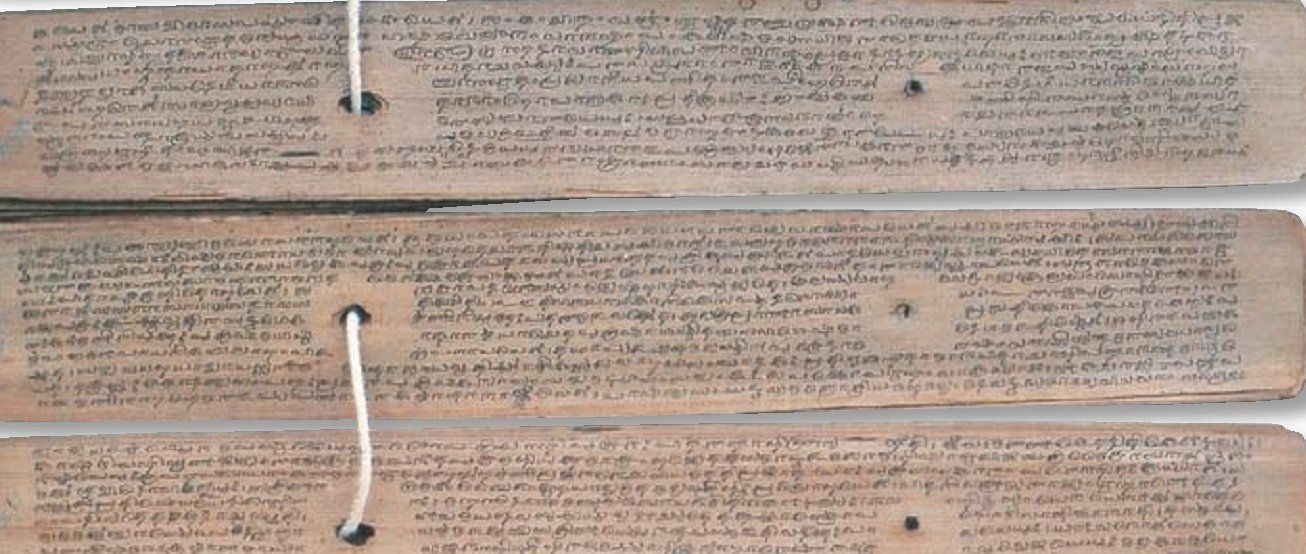
Palm leaf. Oriental Research Institute, Mysuru 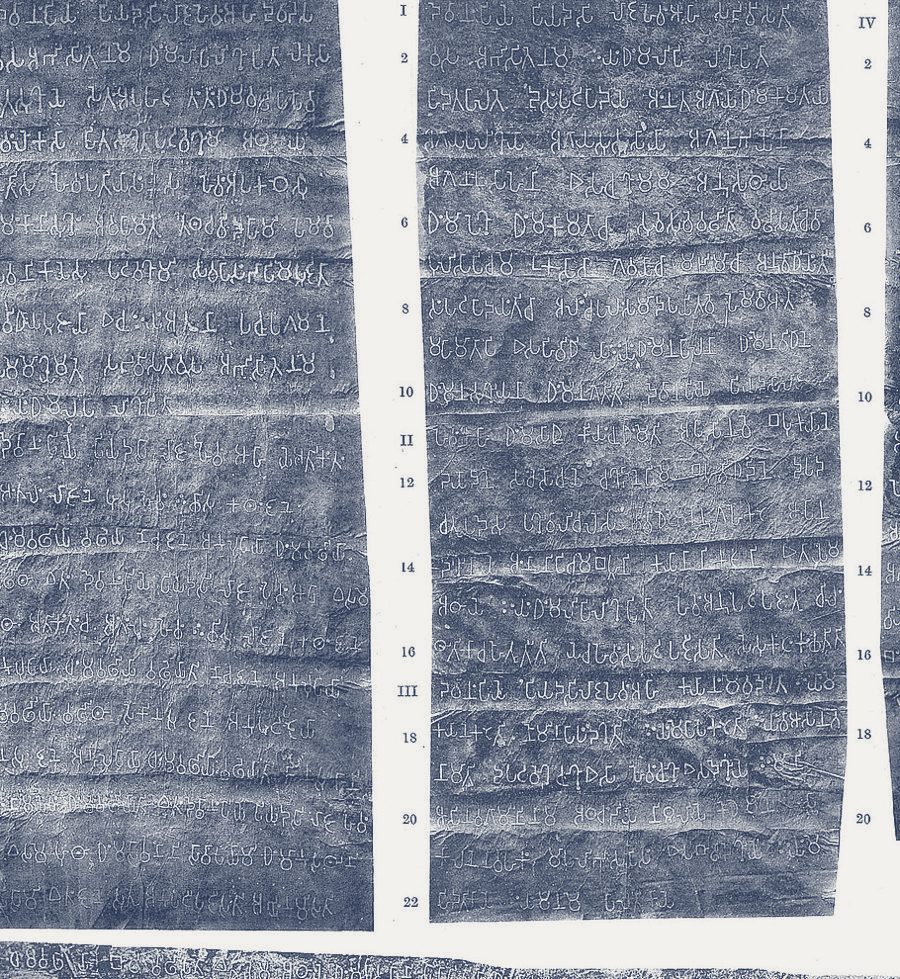
Engraved. Brahmi pillar inscription 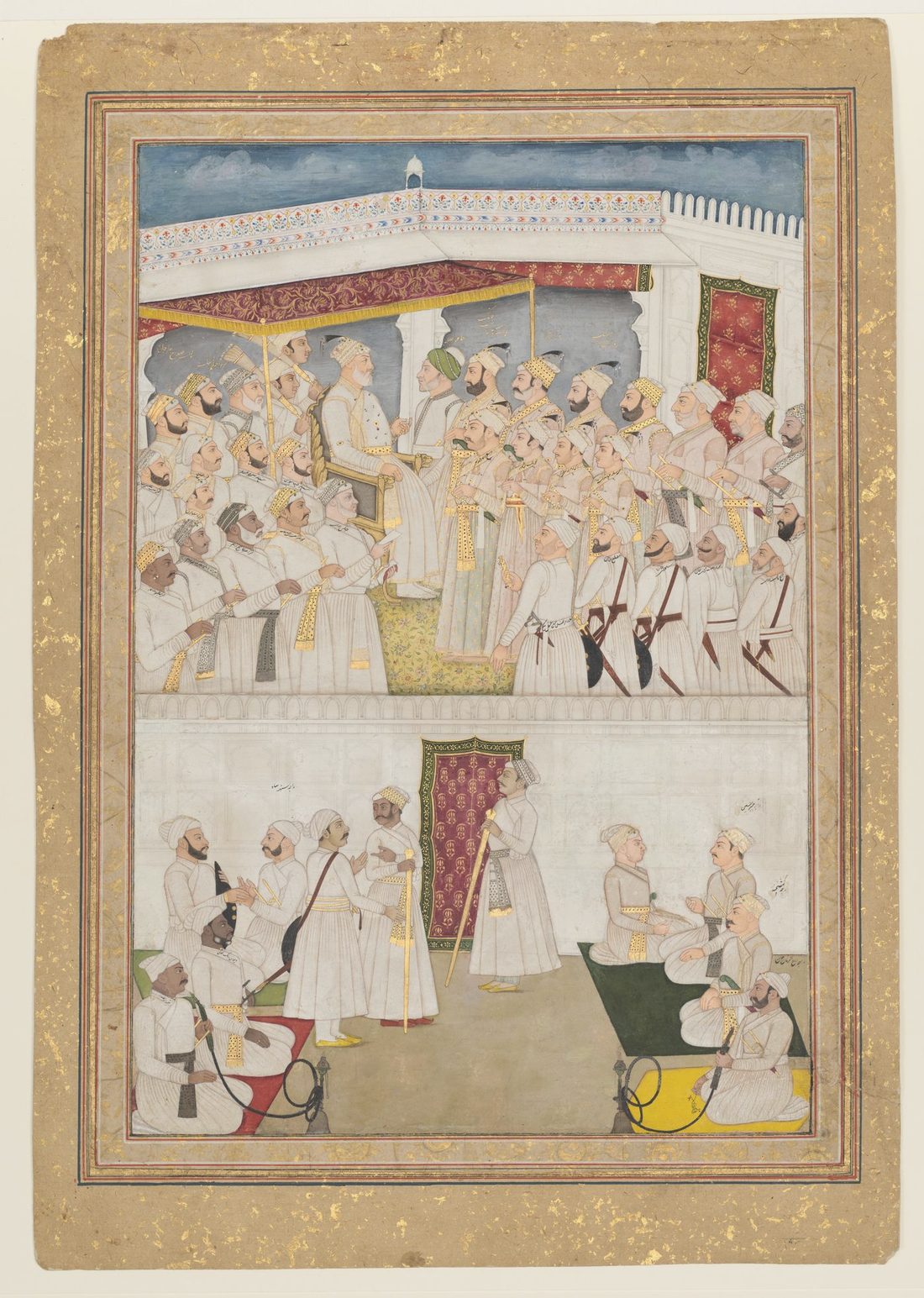
Recorded. Court folio, Murshidabad 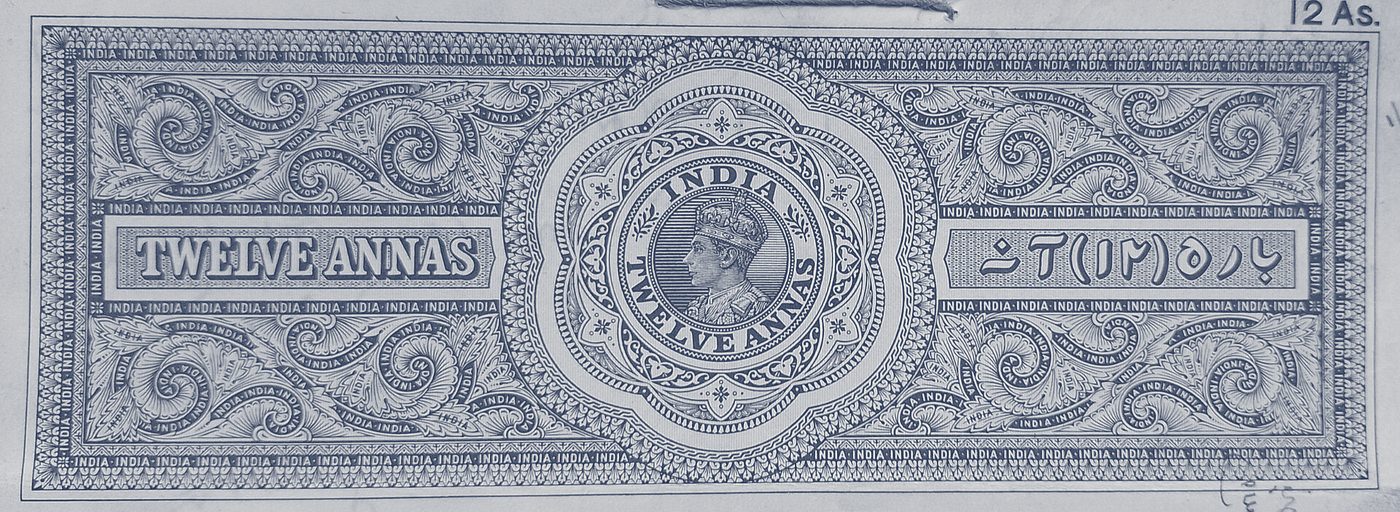
Stamped. Twelve-anna stamp paper
What the old record already knew.
Six ideas from India’s long legal tradition that shape how Rhett works.
What we believe
Law in India has always been a record. Every generation found a new way to write it down. Rhett is the next form: a living, intelligent workspace where legal work is organised, reasoned and preserved in real time. Built in India, for anyone whose work involves law.
The record continues. Be part of it.
See how one workspace carries a matter from the first question to the finished draft.